

Have you ever been to a funeral in the Netherlands and wondered what those flags are all about? The uitvaartstoetvlag, or funeral procession flag, is more than just a piece of cloth: it represents a deep cultural significance and respect for the deceased. Join us as we unravel the historical context, cultural practices, and modern interpretations of these honored flags – and yes, even share a few chuckles along the way.
Uitvaartstoetvlag

The uitvaartstoetvlag has a rich and storied history dating back centuries within Dutch culture. Historically, these flags were used to mark the presence of a funeral procession, signaling the somber event unfolding. Their origins trace back to the times when communities would come together to honor their departed. In fact, it was once common to see these flags prominently displayed on the deceased’s home, indicating to neighbors that they were mourning a loss.
As we look back, we find that certain regional variations exist. Depending on where one is in the Netherlands, the colors and designs of these flags might change, reflecting local customs. It’s fascinating how the uitvaartstoetvlag has transformed through the ages, yet remained a significant element of Dutch funerary practices.
Cultural Practices Surrounding Uitvaartstoetvlag
In many Dutch communities, the uitvaartstoetvlag plays a key role in funeral rituals. These flags often bear the colors or symbols that represent the deceased’s family, providing a personal touch to the mourning process. When we see a procession adorned with these flags, it’s a poignant reminder of the life being celebrated.
Customs surrounding the display of the uitvaartstoetvlag vary. In some areas, they are prominently flown at half-mast during funerals, while in others, they might be draped over the casket. It’s interesting how these practices encapsulate a collective grief, binding families and friends with shared memories. Nothing can quite compare to the camaraderie felt when we stand together with a flag that embodies our shared loss.
The Design And Symbolism Of Uitvaartstoetvlag
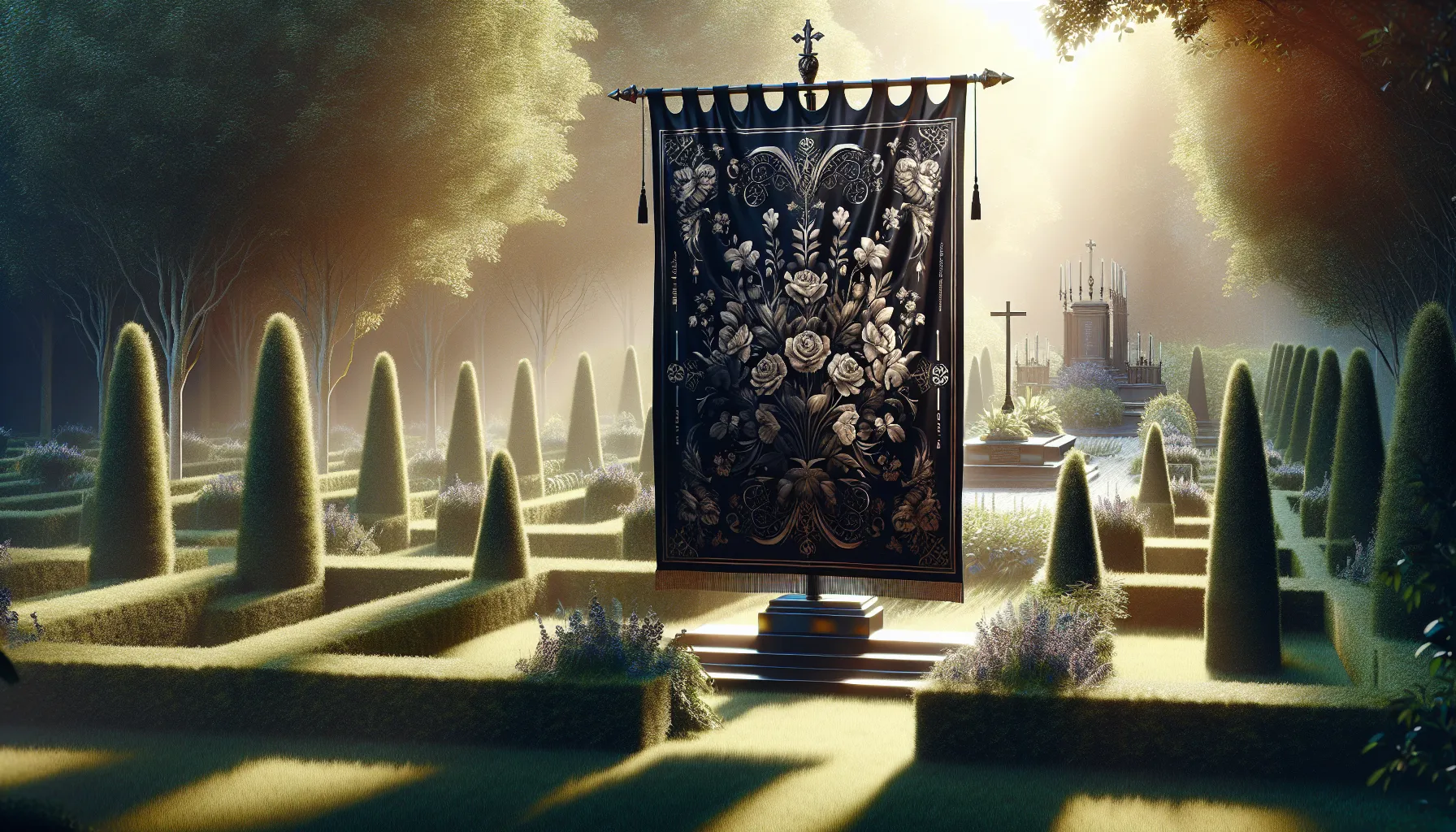
When it comes to the design of the uitvaartstoetvlag, symbolism is key. Many flags feature motifs, colors, and patterns that speak volumes without a single word. Traditionally, dark colors such as black signify mourning, while lighter colors might represent hope or remembrance.
It’s not uncommon to find flags embellished with specific symbols. For example, floral designs or religious imagery can be included to reflect the deceased’s beliefs or personal interests. This thoughtful design serves as a visual narrative, expressing the love and respect held by the family. Each uitvaartstoetvlag is unique, almost as if each flag carries its story. In our collective understanding, this adds a layer of richness to the process.
How To Properly Display A Uitvaartstoetvlag
If you find yourself in a situation where you need to display a uitvaartstoetvlag, knowing the proper etiquette is essential. We recommend ensuring that the flag is in excellent condition: it should be clean and free from any damage. When displaying it during a procession or service, placing it at half-mast typically conveys respect and mourning.
Also, the flag should be positioned in a manner where it captures the attention of attendees without obstructing views or movement. Perhaps, placing it at the front of the procession or near the casket is appropriate. These steps not only honor the deceased but also show our respect for the traditions that surround them. After all, we all want to ensure that our loved ones are remembered in the best light possible.
Modern Uses And Variations Of Uitvaartstoetvlag
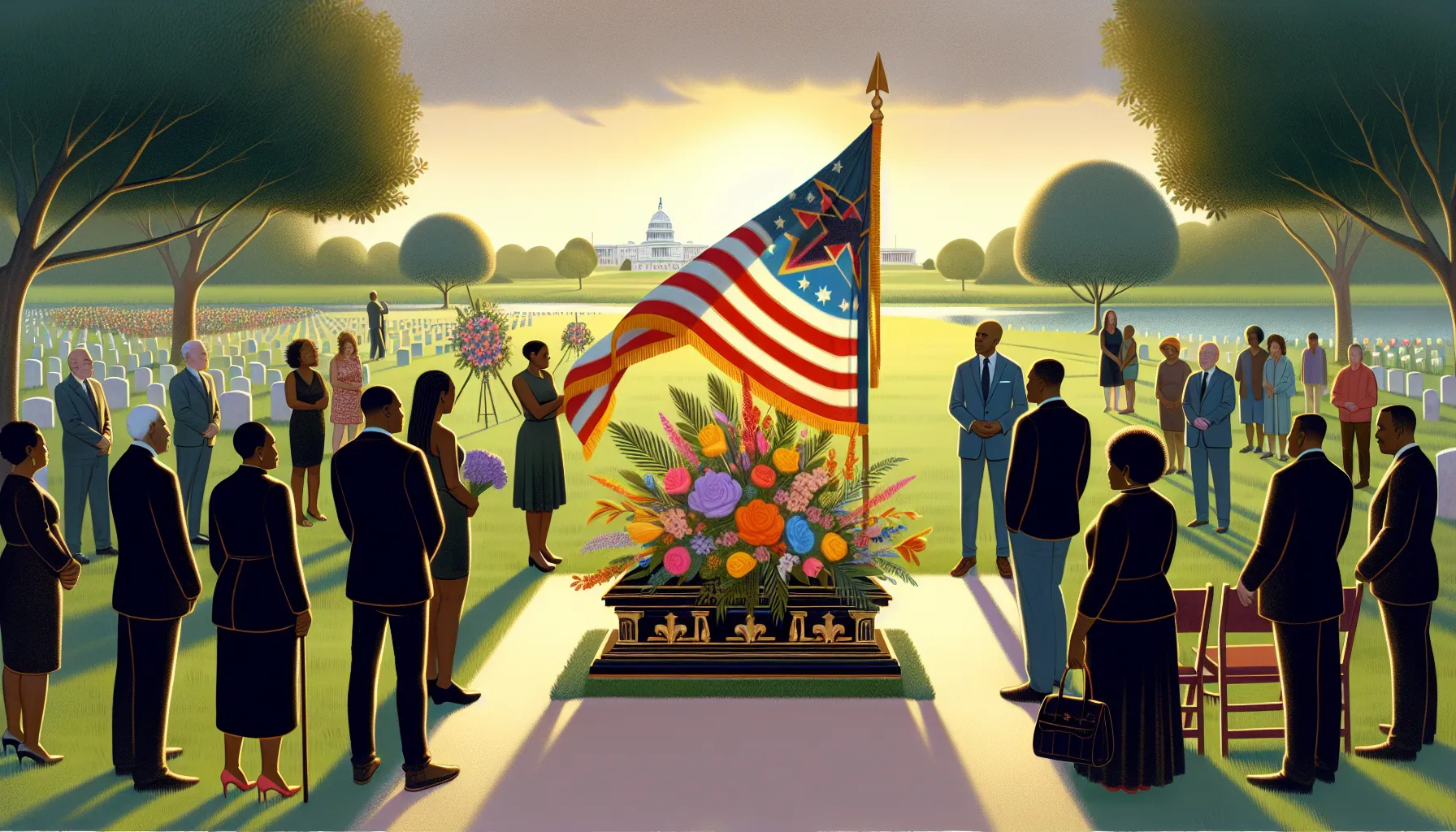
As we move into a more contemporary era, the uitvaartstoetvlag is not just confined to traditional funerals. Nowadays, people are increasingly personalizing these flags to reflect individual stories. We see creative variations that incorporate more vibrant colors or non-traditional designs, allowing families to celebrate distinct narratives.
This evolution showcases a shift in attitudes towards mourning. Modern interpretations often embrace more celebratory themes, with flags representing not just loss but also the joy and uniqueness of a person’s life. We find ourselves looking forward to seeing how this trend continues to evolve as cultural perceptions of death and celebration intertwine.