
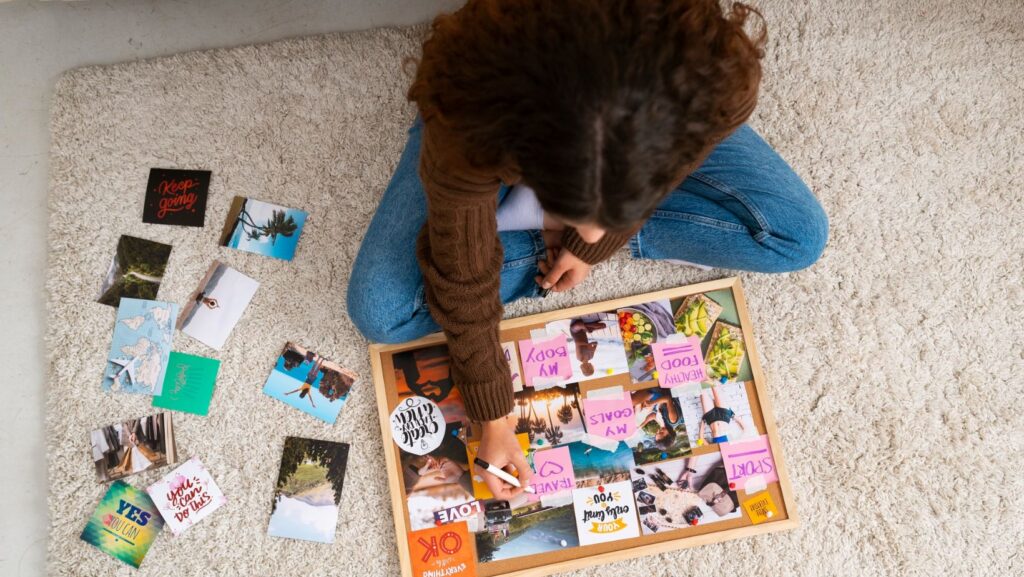
When you leave university and start living on your own, you usually have a lot of boxes with stuff in them. You might find ticket stubs, sports jerseys, photos from late nights studying, or booklets from graduation. These things mean a lot to you in your university life and all. They often end up in a box under your bed.
Using this university stuff to decorate your home is a good idea. It helps you keep your university memories out where you can see them. When you set up your room to show what you did in university, it makes your home feel like it is really yours. If you are moving into your apartment after university or just updating your home office using your university things as decorations is a simple way to remember your university days while you move on with your life, and your university memories will still be with you.
1. Transforming Campus Snapshots into Gallery-Quality Art
Photos are the easiest way to record your university years. A file saved in a cloud folder does not improve your living space. To use photos as decor, you must choose them well and use the right size. Pick high-resolution images of campus buildings, friends, or landmarks to create a focus point in a room.
Think about the material you use for your photos. For a professional look, canvas prints Canada work well to add texture to walls. A stretched canvas has a finish that stops glare. It makes your photos look planned instead of messy. If you group three to five photos with similar colors, you can turn a collection of images into a single, organized display.
2. Preserving Achievement Through Framed Ephemera
Students collect many paper items that show their hard work. You might have concert tickets, certificates, or newspaper clippings about your research. Instead of keeping these in a filing cabinet, use shadow box frames to make these flat items stand out.
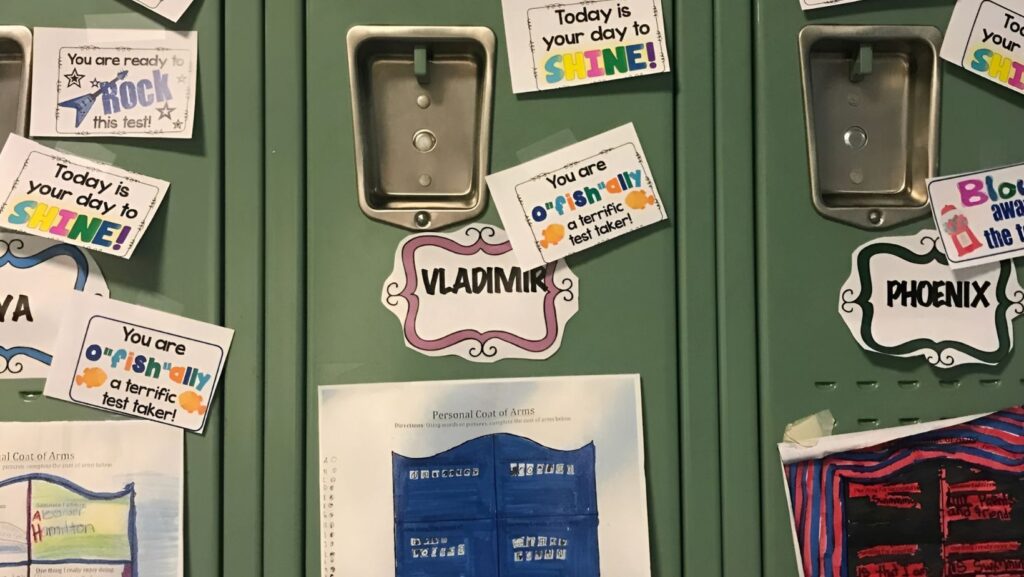
Shadow boxes create depth and allow you to layer objects. You can put a graduation tassel next to an event invitation to build a display that tells a story. Use acid-free backing when you arrange these items to help them last longer. Follow these steps to set up your shadow box:
- Select a backing color that complements your home’s existing color scheme.
- Use archival-safe mounting putty to secure delicate items without damaging them.
- Layer documents behind smaller physical artifacts for a sense of perspective.
- Avoid overcrowding the box. Leave breathing room around each significant item.
- Position the display at eye level to invite guests to observe the intricate details.
3. Curating a Textile Narrative: The Upcycled Memory Quilt
Student life includes clothes from important times. This includes sports jerseys, club hoodies, or t-shirts worn during finals. Instead of giving these clothes away, use them to make a quilt or wall hanging to keep them in your home.
This adds texture to plain, modern rooms. You can frame specific patches or sew them into a quilt for a couch or wall. This is a good way to keep a comfortable feel in your home while staying organized. Follow these steps to organize your clothing items:
- Organize shirts by the specific academic year or project they represent.
- Select a consistent backing fabric, like cotton or linen, to tie different shirt textures together.
- Frame single, high-impact logos to create a series of smaller, uniform wall art pieces.
- Use a neutral binding or border to ensure the finished piece looks polished.
- Incorporate embroidery to add dates or locations next to specific patches.
4. The Functional Map: Mapping Your Academic Journey
Your university years are often tied to specific cities or study-abroad locations. A custom map display helps you visualize these places. You can use vintage maps of your college town or make a digital print that shows your daily walking routes.
To make the display interactive, add pins or markers to show important spots. These might include your favorite study area, a cafe where you worked late, or a park from graduation day. This turns a regular map into a functional item. It acts as a reminder of where you lived. Professional framing makes these maps look clean and simple in any room.
5. Designing a Library of Personal Milestones
For many students, books are the most significant items from their time in university. Your bookshelves probably contain heavy textbooks, novels filled with notes, and academic journals that you read for many hours. Instead of using these books only for storage, arrange your shelves to highlight the titles that helped you learn.
You can group your books by topic or by the period in which you bought them. Adding small items like a graduation cap, a commemorative mug, or a sculpture from your college town can create a better visual appearance. Follow these rules to organize your personal library:
- Group books by the color of their spines for a modern, gradient look.
- Use items like vintage library cards as bookmarks on the shelves.
- Alternate between vertical rows and horizontal piles to add variety.
- Put your most used or marked-up books in the center of the shelf.
- Use small lamps to light the books in the evening.
Frequently Asked Questions
How do I decide which memories are worth displaying?
Pick items that mean the most to you or represent a big goal you reached. If an object does not feel important anymore, store it or get rid of it. Focus on having a few quality items instead of many things that fill up your room.
What is the best way to prevent paper memorabilia from fading?
Use archival-quality, acid-free mats and UV-protective glass for your frames. Do not hang your displays in direct sunlight. Sunlight makes colors fade, and paper breaks down. Good protection helps your items last longer.
Can I mix student memories with modern interior design?
Yes. Use matching frames, a consistent color scheme, or a structured layout. When you treat your personal items with the same care as professional art, they fit well in a modern space.
How do I arrange a collection of items without it looking like clutter?
Use a visual anchor. Put your biggest or most important item in the middle, then arrange other pieces around it. Keep the spaces between items even and use a similar color scheme. A grid or a balanced layout makes the display easier to look at.
Should I prioritize digital or physical memories?
It depends on your preference. Physical items add texture and depth to a room, while digital prints offer more size options. Most good designs use both: physical items for detail and high-quality prints for a consistent look on larger walls.