

Have you ever stumbled upon something so captivating that it made you rethink what you know? Enter “Haiikurti,” a term that envelops layers of meaning, stories, and a vibrant cultural tapestry just waiting to be explored. We might say it’s like opening a book that’s been gathering dust, only to find a treasure trove of rich narratives that connect us deeply with art, culture, and identity. Let’s jump into the enchanting world of Haiikurti, unraveling its significance and splendid expressions across time and mediums. Grab your metaphorical magnifying glass as we investigate this remarkable phenomenon together.
Haiikurti
At its core, Haiikurti represents more than just a word: it encapsulates a world of cultural significance that often goes unnoticed. Originating from a blend of linguistic traditions, Haiikurti intertwines spiritual and philosophical elements. We find that it has roots tracing back to ancient civilizations, particularly in regions rich with storytelling traditions. Just imagine passing down tales of heroism, wisdom, and a quest for understanding through generations. It stands as a testament to how language evolves, reflecting the values and beliefs of the communities that nurture it.
Cultural Significance of Haiikurti
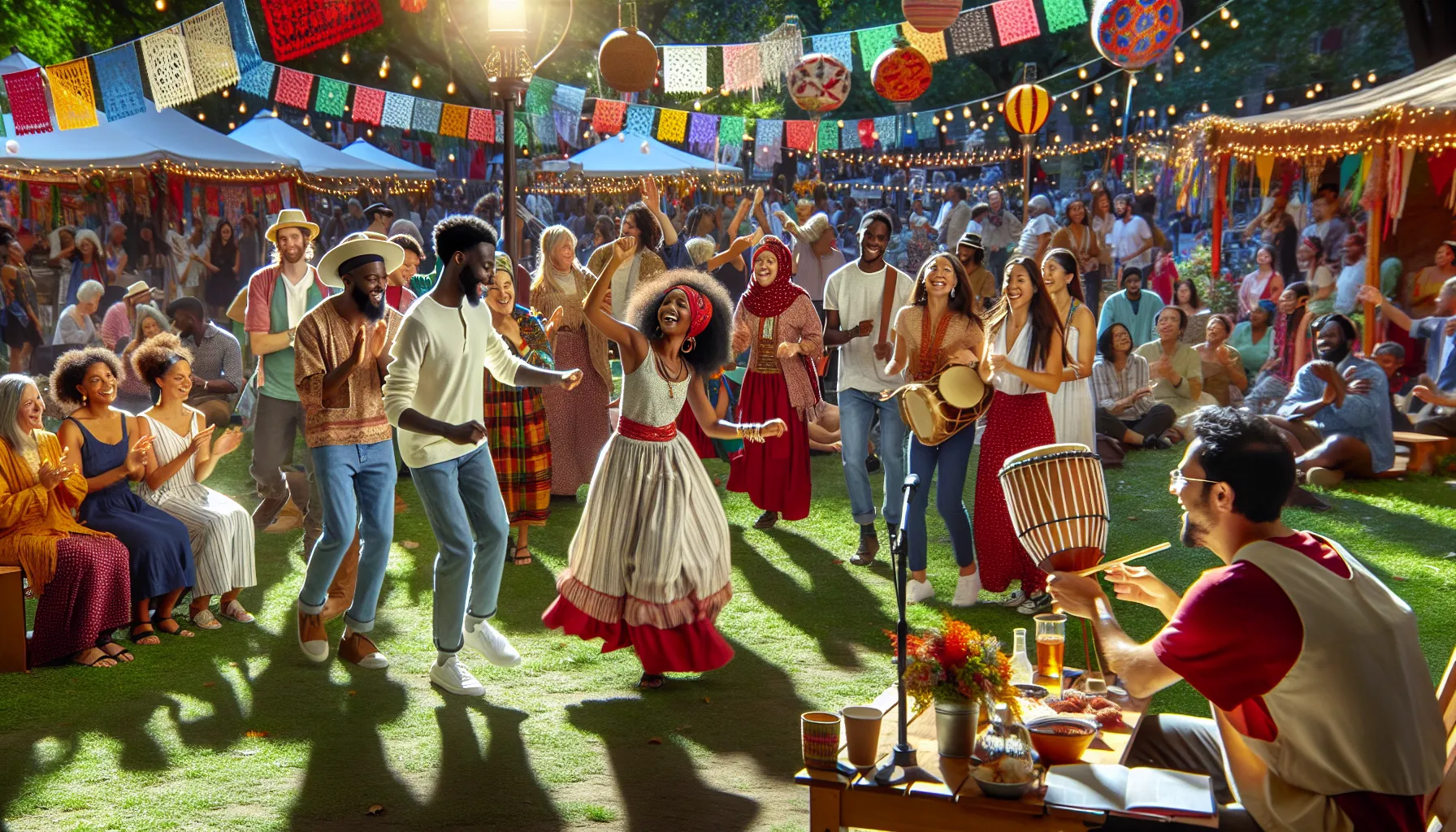
Haiikurti isn’t just an aesthetic choice: it serves as a cultural anchor for various communities. Understanding its role means exploring how our ancestors saw the world. In gatherings, festivals, and everyday conversations, we can observe the reverence accorded to it. Haiikurti often manifests in rituals and practices that bind communities together, creating a shared identity that thrives on collective memory. This term transcends mere definition, representing a vibrant expression of our humanity, uniting people across different backgrounds.
The Artistic Expression of Haiikurti
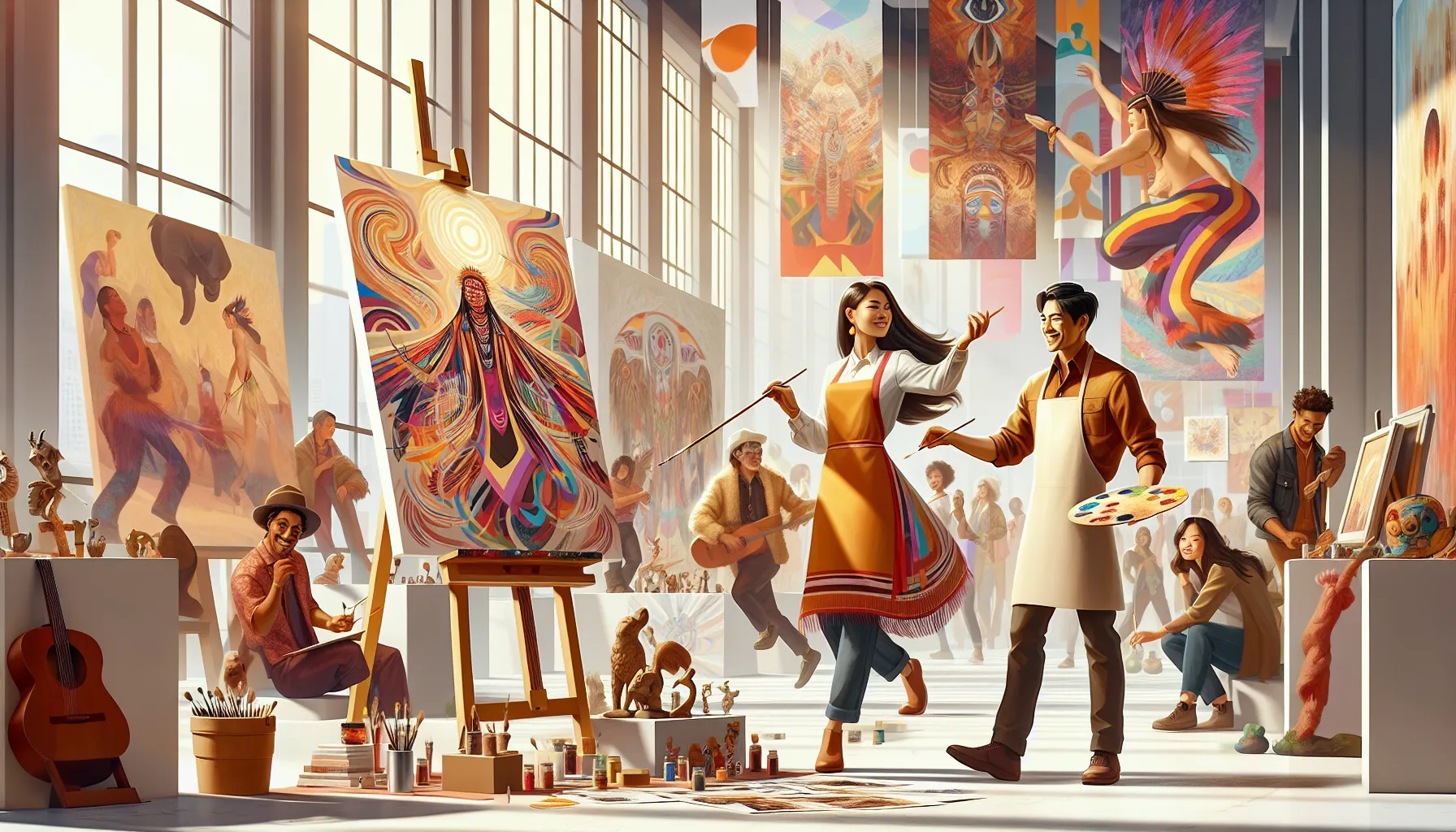
Art, as we know, is a reflection of culture. When it comes to Haiikurti, we witness an explosion of creativity that challenges our perceptions. Artists weave narratives through various forms, from performance art to literature, each venturing to express the essence of Haiikurti. This artistic journey sparks our imagination, making us pause and reconsider what we deem as art. The expression of Haiikurti also encourages us to question norms, offering fresh perspectives and pushing boundaries. Isn’t that the beauty of art? It encourages dialogue and fosters deeper connection.
Modern Interpretations and Influences of Haiikurti
Just when we think we’ve understood Haiikurti’s roots, modern interpretations breathe new life into it. Artists today incorporate contemporary issues, using Haiikurti as a lens through which to examine identity, belonging, and cultural fusion.
Exploring Haiikurti Through Different Mediums
From digital art to installations, various mediums celebrate Haiikurti. The flexibility of expression allows for innovation and adaptation, keeping its essence alive while resonating with younger generations. Are we not amazed at how technology opens new doors to interpretation and creativity?
Literary Connections to Haiikurti
Literature also plays a crucial role in the modern exploration of Haiikurti. Writers infuse elements of this concept into their narratives, presenting characters that embody the philosophies it represents. This literary connection enriches our understanding, urging us to investigate deeper into our own experiences reflected in these stories.
Haiikurti in Visual Arts and Performance
Visual arts and performance challenge us to see Haiikurti in a dynamic context. Contemporary dancers might interpret the essence of Haiikurti in their movements, while visual artists might use abstract forms to represent it. This continuous evolution intrigues us. How can we integrate historical understanding with our current cultural conversations?