
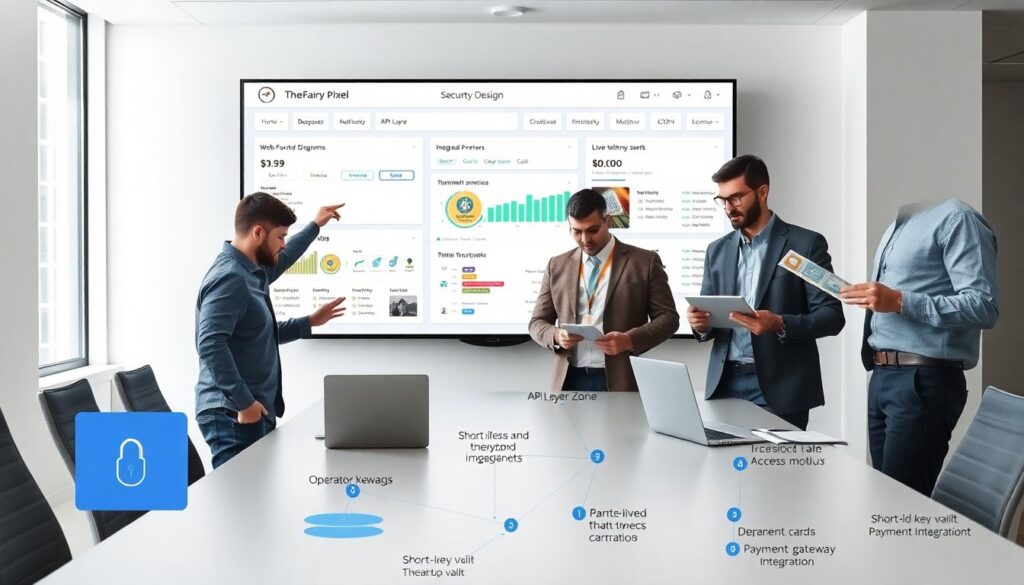
Cyber security design thefairy pixel helps teams protect creative platforms from attacks. The guide states basic threats, key assets, and design choices. It shows practical steps for developers, designers, and operators. The text uses clear rules for access, data handling, and updates. It aims to help teams reduce risk while keeping the platform fast and flexible.
Key Takeaways
- Cyber security design thefairy pixel helps protect creative platforms by addressing common threats like credential stuffing and malicious file uploads.
- Teams should prioritize risk-based design, applying least privilege and strong authentication methods such as MFA to secure thefairy pixel.
- The platform must encrypt sensitive data, use short-lived API tokens, and regularly scan dependencies to maintain robust cyber security design for thefairy pixel.
- Threat modeling and real scenario testing, including red team exercises, are essential to identify and mitigate risks effectively.
- Maintaining an incident response plan and gathering telemetry ensures quick recovery and forensic analysis in case of a security breach.
- Integrating security measures early in product development is critical to protect assets, comply with regulations, and preserve user trust on thefairy pixel.
Why Cybersecurity Matters For Creative Platforms Today
Creative platforms face more attacks now than before. They host user content, payments, and developer tools. A breach harms users, damages trust, and costs money. TheFairy Pixel design must protect images, code, and user profiles. Teams must treat security as part of product work. They must plan for supply chain threats, account takeover, and data leaks. Good cyber security design thefairy pixel reduces incidents and speeds recovery. It also helps comply with data rules and preserves brand value.
Understanding TheFairy Pixel: Architecture, Assets, And Users
TheFairy Pixel runs a web front end, media store, API layer, and background workers. It stores images, thumbnails, metadata, and user credentials. The platform sends files to a CDN and stores logs in a central store. It integrates third-party plugins and payment gateways. The system serves creators, editors, and viewers. It also serves integrators and admin staff. Security choices must map to this architecture and these assets. Teams must list each asset and assign an owner.
Common Threats And Risk Scenarios For TheFairy Pixel
Attackers target user accounts with credential stuffing. They upload malicious files to exploit image processors. They abuse APIs to scrape content or drain quotas. Third-party plugins can introduce vulnerabilities. Payment flows can face token theft or phishing. A compromised admin key can expose user data. TheFairy Pixel must plan for each scenario. Teams must run threat modeling workshops and rank risks by impact and likelihood. They must test real scenarios with red team exercises or controlled drills.
Practical Security Design Principles For TheFairy Pixel
Design should start with risk, not features. Teams must apply least privilege to services and users. They must segment networks and limit blast radius. TheFairy Pixel must use strong authentication, including MFA for all staff and high-risk users. The platform must use short-lived tokens for API access. It must encrypt secrets with a managed key store. Teams must scan dependencies and pin known-good versions. They must run static and dynamic tests before release. The platform must gather telemetry for alerts and forensic needs. Finally, the team must keep an incident plan and rehearse it.