
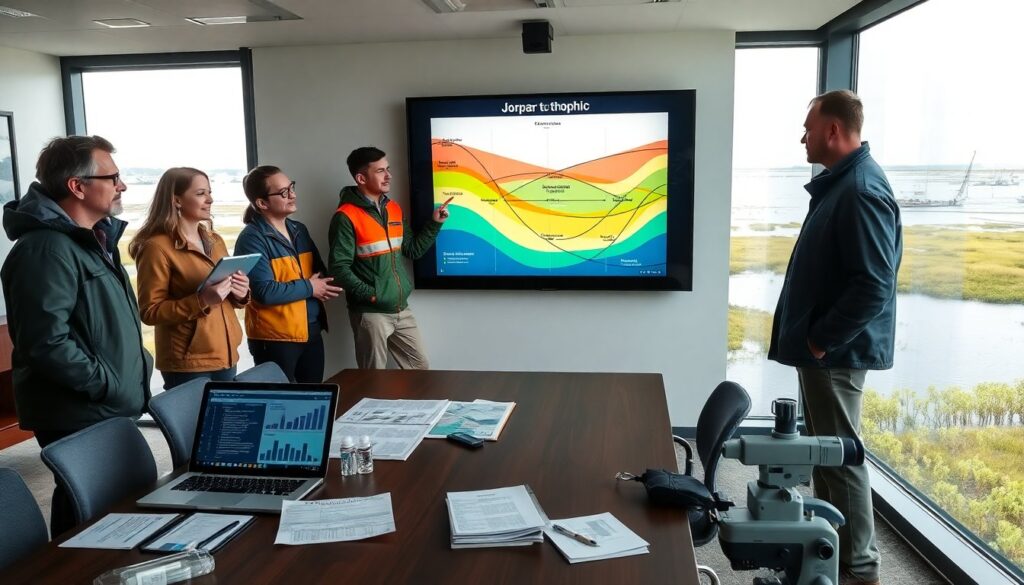
Jorpar trophic systems describe how energy moves through Jorpar habitats and how species link by feeding. Scientists study jorpar trophic links to measure ecosystem health. Managers use jorpar trophic data to set conservation priorities. This article explains the system, lists key species and roles, and shows how energy and nutrients cycle in Jorpar sites.
Key Takeaways
- The jorpar trophic system maps energy flow and feeding relationships crucial for ecosystem health in Jorpar habitats.
- Key species drive energy and nutrient cycling that sustain jorpar trophic communities and their productivity.
- Energy enters the jorpar trophic system via photosynthesis and cycles through consumers and decomposers, with some loss at each transfer.
- Human impacts like overfishing, pollution, and habitat loss threaten jorpar trophic balance and ecosystem resilience.
- Conservation strategies for jorpar trophic systems include protecting producers, restoring habitats, enforcing no-take zones, and adaptive management.
- Community-based stewardship and monitoring programs enhance jorpar trophic conservation by integrating local knowledge and scientific data.
What Is The Jorpar Trophic System And Why It Matters
The jorpar trophic system describes feeding relationships and energy transfer in Jorpar habitats. Researchers map food chains to show who eats whom and where energy flows. They use those maps to find weak links and measure resilience. Managers monitor jorpar trophic indicators like diversity, biomass, and diet overlap. Those indicators predict collapse risk and recovery potential. Policymakers use jorpar trophic findings to design protected areas and fishing limits. Local communities use the information to plan sustainable harvests and reduce conflicts.
Key Species And Functional Roles Within Jorpar Communities
Jorpar trophic structure depends on a few core groups that drive energy flow and nutrient cycling. Each group performs clear roles that sustain the system. The next two subheadings list main groups and their functions.
Energy Flow And Nutrient Cycling In Jorpar Ecosystems
Energy enters jorpar trophic systems through photosynthesis. Producers trap light and create organic compounds. Consumers ingest that organic matter and convert it to biomass and waste. Decomposers break down waste and dead tissue and return nutrients to producers. Nutrient recycling closes loops and sustains productivity. External inputs like river runoff change nutrient levels and can cause blooms. Energy loss occurs at each trophic transfer as heat and waste. Scientists quantify those losses to predict biomass distribution and fishery yields.
Threats, Conservation Priorities, And Practical Management Strategies
Human actions alter jorpar trophic balance and reduce resilience. Overfishing removes predators and inflates prey populations. Pollution increases nutrient loads and triggers harmful algal blooms. Habitat loss removes producer area and lowers primary productivity. Climate shifts change temperature and species ranges and alter phenology. Conservation priorities focus on protecting producers, restoring habitat, and rebuilding predator stocks. Practical actions include no-take zones, seasonal closures, and catch limits. Monitoring programs track jorpar trophic metrics and give managers early warning. Community-based stewardship combines local knowledge and science to improve outcomes. Adaptive rules let managers change measures when new data appear.