
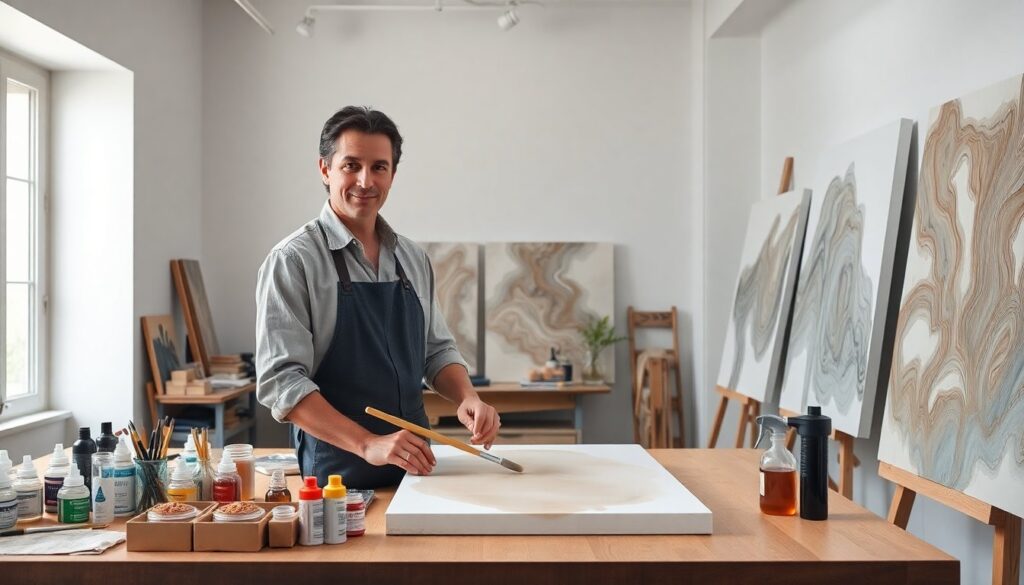
TheFairyPixel invites artists to explore creative painting techniques thefairypixel and expand their skills. The guide lists clear methods and simple steps. Each method focuses on hands-on practice and visible results. Artists can try one method per session and build skill over time.
Key Takeaways
- Exploring creative painting techniques thefairypixel helps artists develop a personal style by encouraging experimentation and quick learning.
- A well-organized workspace with essential materials like acrylics, oils, brushes, and mediums supports effective painting practice.
- Layered glazing and transparent washes build color depth without obscuring detail, enhancing painting luminosity.
- Sgraffito and scraping techniques add dynamic texture and expressive marks that enrich the visual interest of artwork.
- Controlled acrylic pouring and marbling create unique fluid effects, offering artists unexpected color blends and compositions.
- Starting with simple, hands-on exercises for each technique improves confidence and skill over time when exploring creative painting techniques thefairypixel.
Why Experiment With Creative Painting Techniques
Artists test new approaches to solve visual problems and to keep work fresh. They use experimentation to find a personal voice and to break routine. When artists explore creative painting techniques thefairypixel, they collect quick failures and fast wins. The practice increases confidence and speeds decision making. Galleries and clients often respond to distinct marks and choices. Small experiments deliver big changes in composition, color, and texture. Artists who try new methods report clearer direction in later projects.
Essential Materials, Surfaces, And Workspace Setup
Artists choose materials that match their goals. They pick paints, brushes, and tools for predictability and effect. They prepare surfaces that accept layers and resist flaking. Good workspace setup reduces wasted time and keeps paints clean.
Supplies Checklist: Paints, Brushes, Mediums, And Tools
Artists stock a limited set of paints and extras. They keep a primary set of acrylics, a small set of oils, and a few watercolors. They list brushes: flats, rounds, and a fan. They add palette knives, scrapers, sponges, and rags. They include mediums: gloss medium, matting medium, and a pour medium. They pack masking fluid, a spray bottle, and a blowtorch for acrylic pours. They store solvents and cleaners safely. When artists explore creative painting techniques thefairypixel, they start with this checklist.
Layered Glazing And Transparent Washes: Build Depth With Color
Artists apply thin layers of color to change hue without losing detail. They mix a small amount of medium with paint to increase transparency. They lay a wash, let it dry, and add another wash. They use glazing to cool or warm areas without repainting. They test glazes on scrap paper before the surface. They use transparent pigments like Quinacridone and Phthalo for clean shifts. They balance opaque highlights with several glazes to suggest light. When artists explore creative painting techniques thefairypixel, glazing becomes a reliable tool for depth.
Sgraffito, Scraping, And Mark-Making: Add Expressive Texture
Artists scratch and scrape through wet layers to reveal underpaint. They press tools into paint to make thin and bold marks. They use palette knives and combs to pull lines and ridges. They vary pressure to change line weight. They combine sgraffito with heavy impasto for contrast. They allow some accidental marks to remain and to inform the next move. They photograph results and note which tools produced the strongest effects. Those notes help when artists explore creative painting techniques thefairypixel again.
Acrylic Pouring, Marbling, And Fluid Effects: Controlled Chaos
Artists mix paint with a pour medium to increase flow and leveling. They pour layers into a cup and flip or tilt the surface. They add silicone drops to create cells. They blow air across the paint for soft trails. They use marbling tools to pull graceful lines. They let the pour cure on a flat, level surface. They varnish the cured pour to protect the surface and to deepen color. They practice small pours before large works. When artists explore creative painting techniques thefairypixel, controlled pours give surprising compositions and color blends.