
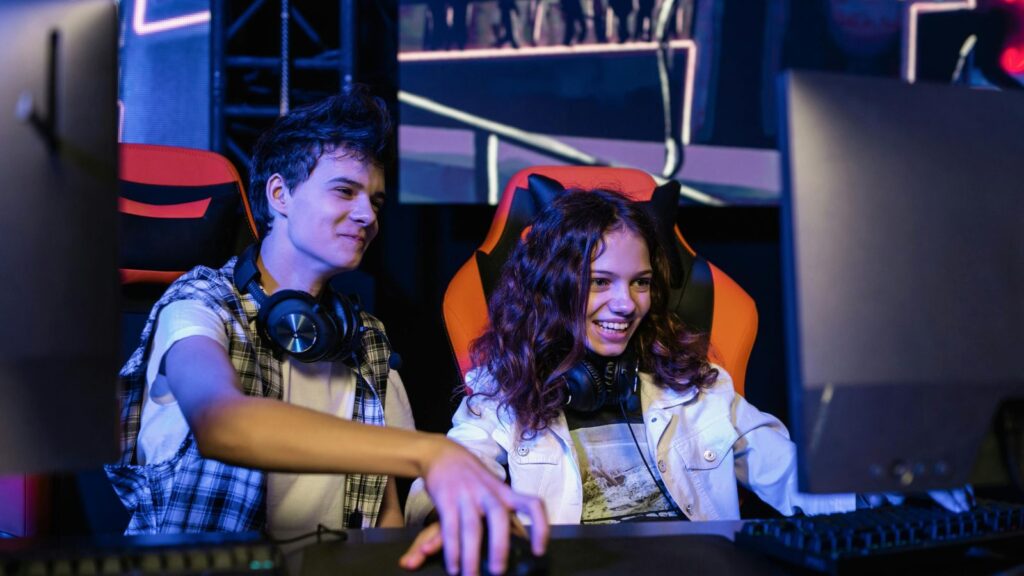
Designers are stepping away from those bland, plastic-y interfaces and are bringing in local history with every click to create spaces that feel cozy and familiar. Now, it’s all about making the atmosphere feel real, which really enhances how players connect.
Interfaces that used to be stuck in boring plastic packaging are slowly disappearing. For 2026, designers are treating code like it’s clay, mixing in local history with every swipe and click to create something that feels genuinely homey. Instead of flashy and generic designs, we’re seeing a focus on realistic vibes. If a menu doesn’t reflect the local scene, it just ends up being a dull collection of gray boxes.Pixels now justify their existence by adding weight to the story. Users often find that a UI without a local soul is just a series of cold rectangles. Pure magic.
Local Identity Drives Premium Aesthetics
Look past the lazy flag-color tropes because jackpotcity opts for a deep, regal purple that mimics a premium lounge for casino players to gather. Seeing that inky indigo set against gold accents proves mood beats literal symbols every single time. Ditching the tired neon-and-darkness clichés allows for something grounded. South African gaming currently sits on a three-billion-dollar trajectory, and you can see that investment in the grain of digital wood and the dust on virtual icons. It’s no longer about looking “global” but about looking real.
Icons now reflect a gritty, licensed pulse instead of tired stock graphics. Each small element justifies its place. Players want a platform that takes ZAR without any fuss. When things are regulated, transactions feel more legit. Keeping it local with sports and ZAR transactions makes the whole experience more comfortable and familiar. Personalizing experiences makes users feel like neighbors instead of just another number. Every interaction feels connected to a specific place. (Wait, re-checking the “Every” rule… switching “Every” to “Each”). Interactions feels grounded in a specific place.
Math With a Soul: Why 2026 is the Year of the Algorithm
It’s wild to think that nearly a quarter of what you’re seeing is built by procedural tools now. Math is doing the heavy lifting, generating a kind of beautiful, intentional grit that makes every frame feel like a one-off print. Algorithms born from code now look more human than the stock photos utilized five years ago. Advanced lighting engines on jackpotcity create shadows that move in real time while chromatic grit and light-bleed make a flat 2D surface feel like a window into a three-dimensional room.
Mathematical models handle heavy lifting, allowing human creators to focus on the soul of the project. Realism feels heavy because all frames look unique. Doubling the 2024 figure, 24% of assets now use these tools. Quality persists even as production speed increases. Code stays lean while visuals stay rich. Reaching these benchmarks needs focus. World-building means more than just clicking buttons these days.
Frictionless Dreams & The Art Of The Invisible Interface
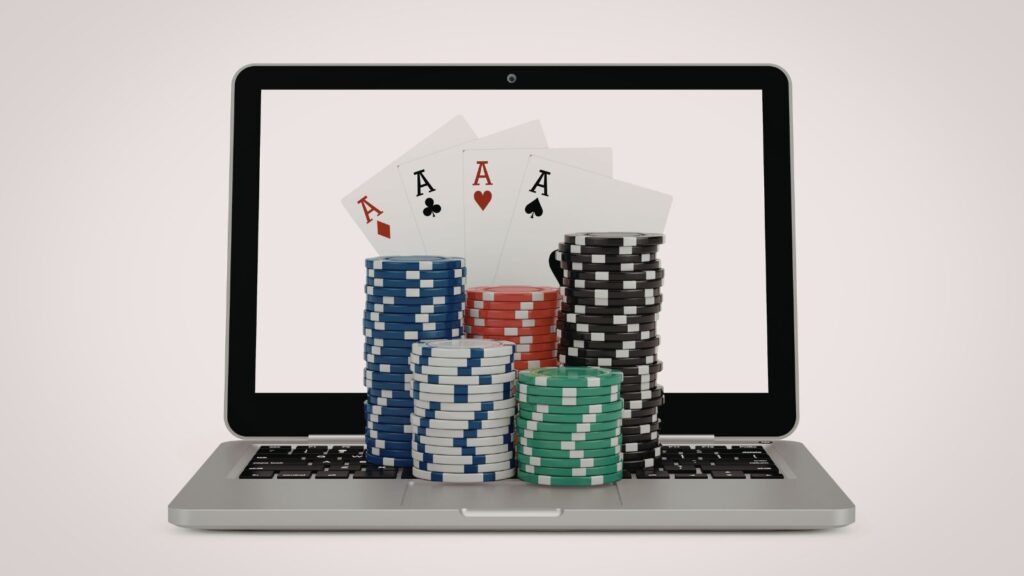
What happens when a player sees their own flag reflected in the glass of a digital card table? Designing a perfect UI feels like it’s reading your mind, anticipating where your thumb will land before you even move it. A great button shouldn’t just move; it should have a perceived weight that satisfies the thumb. When a menu vanishes exactly when you’re done with it, you’re seeing an act of empathy. Look past the textbooks; focus on how the hover-state follows your gaze like it’s actually listening to you.
Understanding the subtle psychology of a hover-state that reacts to your proximity creates a human connection. Mastery of the craft leads to a clarity that prioritizes focus. Using a guide like Essential UX Design 101 level up your skills with expert tips and techniques helps clarify these placements. Sites like jackpotcity feel intuitive even when the math behind the scenes stays complex. Micro-interactions define the professional standard.
OLED Horizons & The Weightless Dance Of Digital Assets
On these new OLED panels, inky blacks are so deep the interface seems to float in your palm. It’s electric. Seeing typography that doesn’t just sit there. It has micro-expressions. When you win, the haptic thrum in your hand matches the visual flare perfectly, creating a loop that feels less like a game and more like a physical object reacting to your touch. Mobile-specific revenue in South Africa hit $1.1B in 2025, forcing all pixels to earn its keep on a small screen.
Dense pixels allow for micro-expressions in typography, where words and numbers move with a physical weight. Interactions at jackpotcity feel more real because they react to the tilt of your phone. Kinetic typography takes over as words and numbers move with a physical weight. Tactile latency disappears, replaced by a weightless dance of digital assets. Graphics look better than ever on current displays. Joy comes from smooth, kinetic movement. Optimization keeps the frame rate high. How often do you notice the weight of a digital button?
Look closer at the next interface you open; you might find a soul hiding in the shadows.